
The effect of the morning-after pill on the menstrual cycle
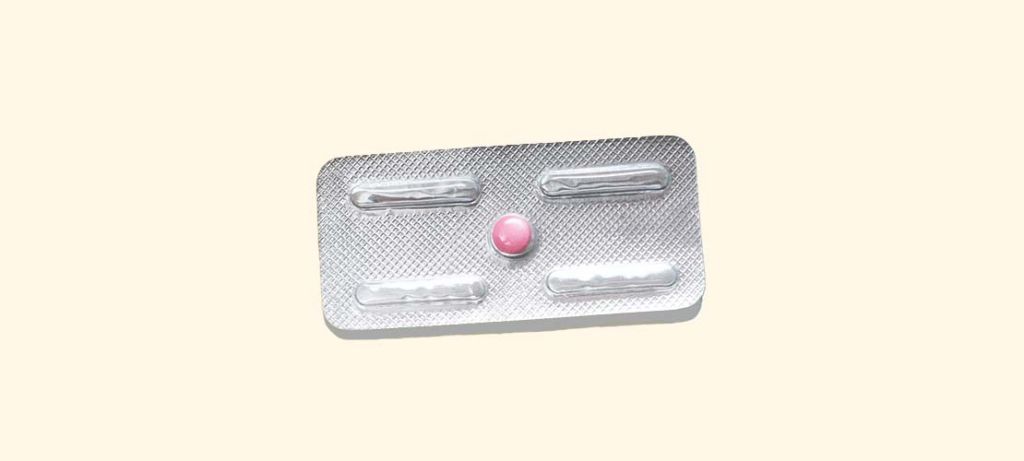
In our post on emergency contraception and NFP, we have already written about the morning-after pill and how to use it. In this article, we take a closer look at the effect of the morning-after pill on the menstrual cycle.
The morning-after pill is available on the German market with two approved active ingredients:
- Ulipristal acetate (ellaOne®): up to five days after unprotected sex
- Levonorgestrel (Pidana®): up to three days afterwards
Unlike the levonorgestrel pill, the pill containing ulipristal acetate remains effective right up until just before ovulation.
The cycle before ovulation
But what exactly does taking the morning-after pill do to the cycle? To understand this, let’s look at what happens in the body during the first phase of the cycle:
At the start of the cycle, several follicles begin to mature. Oestrogen is produced in the walls of the growing follicles. The larger the follicles become, the more oestrogen is released into the bloodstream. This prolonged increase in oestrogen levels is the key signal for the pituitary gland to start releasing more luteinising hormone (LH) – which triggers ovulation.
How does the morning-after pill work?
The morning-after pill is designed to prevent ovulation by affecting LH levels:
- Levonorgestrel delays the rise in LH. You must therefore take it before this rise begins.
- Ulipristal acetate can even lower LH levels that have already risen, thereby preventing ovulation at the last minute or delaying it.
Effects on the cycle
If you take the morning-after pill in time and ovulation can be delayed, this will lengthen your cycle. Your period may be late – as ovulation is delayed by up to 5 days, your period may also come later as a result.
In addition, you may experience:
- Spotting
- PMS symptoms such as breast tenderness and headaches
- Cycle irregularities and menstrual disorders in the following cycle
- Delayed follicle maturation in the next cycle
Important to know
Taking the morning-after pill interferes with your natural hormonal balance. You should therefore only take it in an emergency and under no circumstances on a regular basis.
With NFP, you know exactly when you are fertile during your cycle – and when you are not. This can help you assess whether, and if so, which form of emergency contraception is appropriate in the event of a contraceptive failure.